Sign PDF guide
Visual signature versus certificate-backed digital signature
A signature image can show intent visually, while a certificate-backed digital signature also carries cryptographic information that software can validate.
What a visual signature does
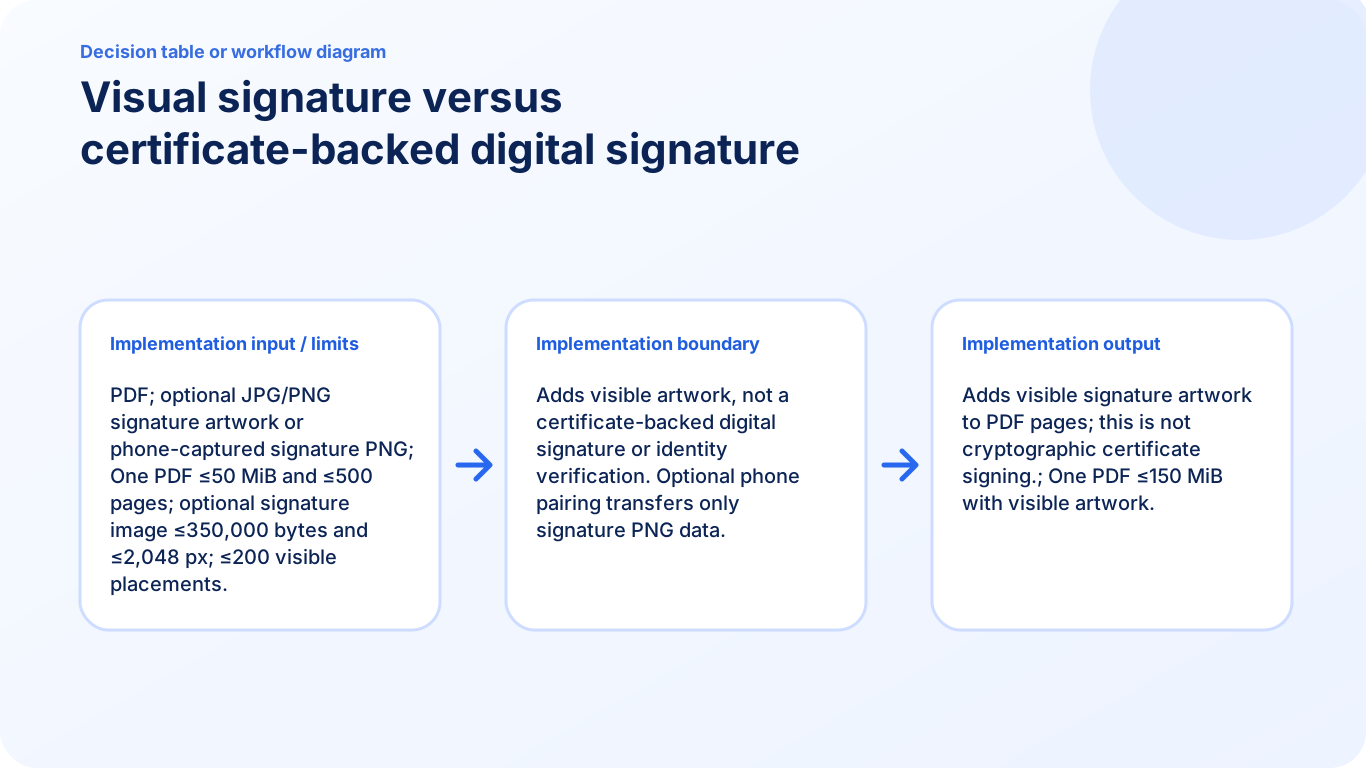
A visible mark places a name, drawing, initials, or stamp on the page so a reader can see it. PDFKaka can move and resize that artwork across supported pages and save it into a new PDF.
The optional phone handoff sends only the signature PNG through the short-lived pairing service; the PDF itself remains in the original browser.
What a digital signature adds
A certificate-backed digital signature uses cryptography to associate a signing certificate with the document and to show whether signed bytes changed later. Certificate trust, identity validation, and legal effect depend on systems and policies beyond a visible image.
Ask the recipient which one is required
If a form merely requests a visible signature, artwork may be acceptable. If the recipient requires a trusted certificate, audit trail, identity verification, or a regulated electronic-signature platform, PDFKaka's visual-signature tool does not provide that result.
FAQ
Does PDFKaka create a certificate-backed signature?
No. It adds visible signature artwork and does not create a cryptographic digital signature.
Does a typed or drawn mark verify the signer's identity?
No. The tool does not perform identity verification.
Is a visual signature legally binding?
Legal effect depends on jurisdiction, agreement, identity evidence, and process. PDFKaka does not make a legal-validity determination.