Start with the least destructive option
Use the recommended or structure-preserving mode first when selectable text, links, forms, or other PDF features matter.
Reduce PDF file size using the compression options available in PDFKaka, then review the result before downloading. The achievable reduction depends on the document's images, fonts, structure, and existing compression.
or drop the file here
Up to 50 MiB per PDFCompression should balance file size against readability. Use the available mode that matches the document, then compare the result with the source before sharing or submitting it.
Use the recommended or structure-preserving mode first when selectable text, links, forms, or other PDF features matter.
Scanned or photo-heavy PDFs may benefit from stronger image-focused compression, but the visible result should be checked carefully.
Review the original size, new size, and reduction shown by the tool. Compress PDF does not promise an exact target size.
Compress PDF should explain the trade-off between file size and document quality. Use the tool's real modes, keep the original, and inspect the downloaded copy before replacing or submitting anything.
Choose the PDF, select the supported compression mode, process it, and compare the resulting size and quality before download.
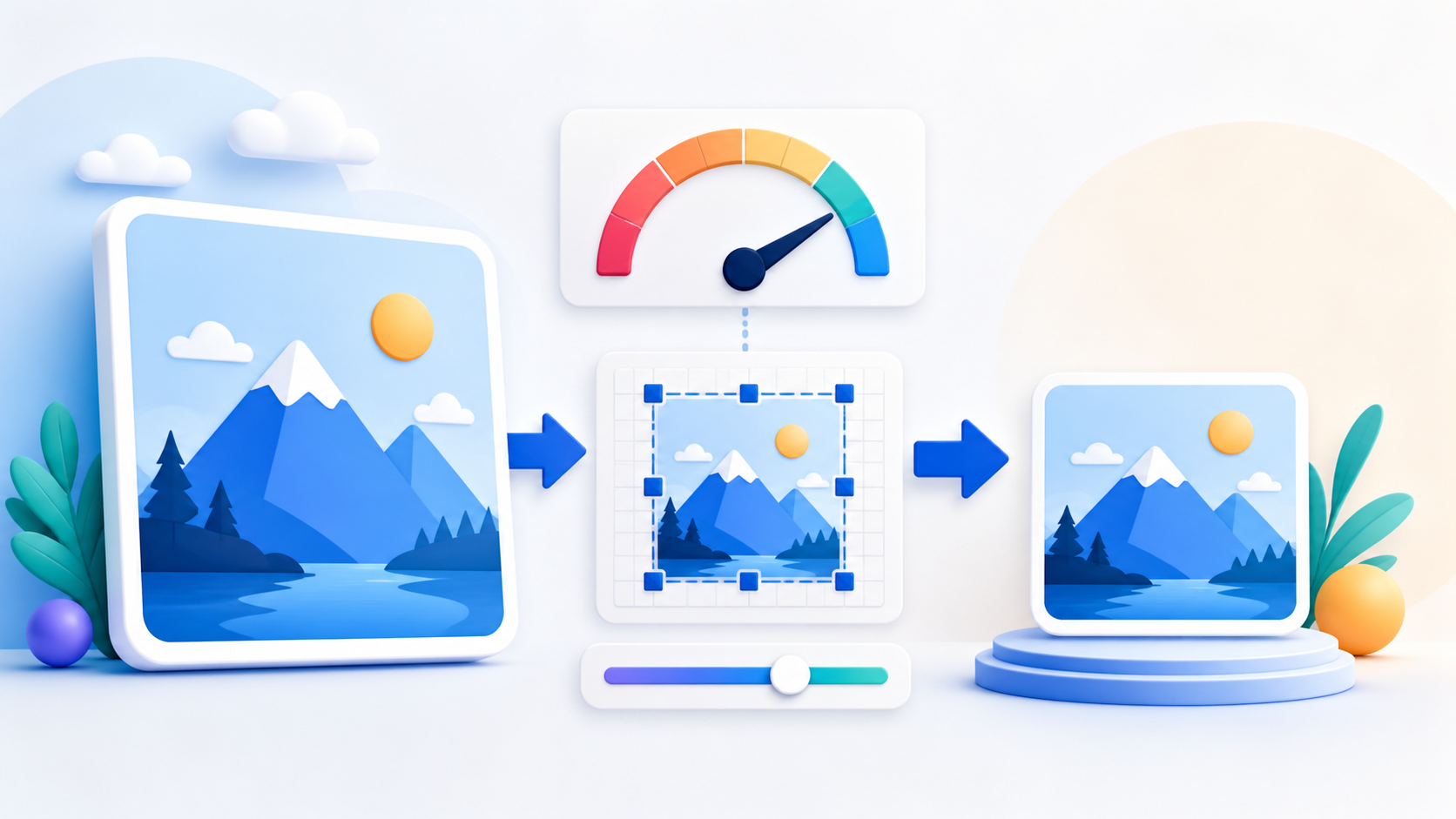
There is no universal reduction percentage. The result depends on the document's images, fonts, structure, and how much compression is already present.
It can. Recommended compression preserves document structure where possible. Strong and Maximum compression rebuild every page as a JPEG image, which can reduce visual quality and remove selectable text, links, forms, annotations, accessibility data, and signatures.
No exact output size is promised. Compress the file and check the downloaded result against your limit.
Yes. Scanned PDFs are supported, but image-heavy files may respond differently from text-based PDFs. Strong and Maximum compression rebuild pages as JPEG images.
The source may already be compressed, may contain mostly efficient text/vector content, or may have document structures that cannot be reduced much without stronger changes.
No. Selected file contents are processed locally in this browser during the normal workflow.