Compare PDF guide
How to read and verify a PDF difference report
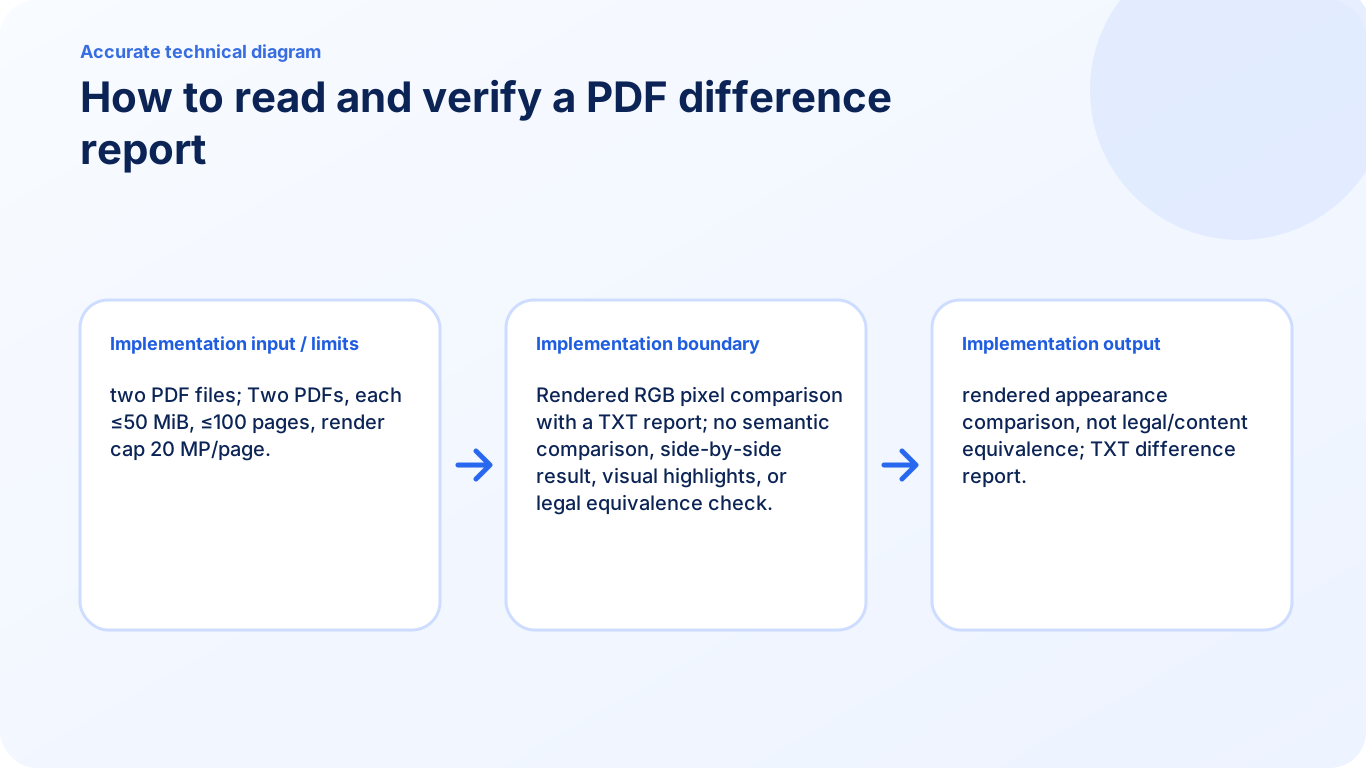
The downloaded comparison report summarizes rendered page differences; it is evidence for where to look, not an explanation of what changed.
On this page
Understand what the measurements represent
Compare PDF renders corresponding pages and measures RGB pixel differences. Page dimensions, rendering changes, moved objects, replaced images, and altered text appearance can all affect the measurement.
Trace each result back to the sources
- Keep both PDFs open beside the TXT report.
- Start with pages that the report identifies as different.
- Compare page size, orientation, fonts, images, spacing, and visible wording.
- Record the actual editorial change separately when it matters.
Avoid conclusions the report cannot support
The report is not change tracking, semantic diffing, authorship evidence, or a legal redline. A small measured difference can still affect an important number; a large visual difference can come from layout alone.
Record confirmed changes separately
Work through the reported pages in order and note the visible cause of each difference. Classify it as wording, number, image, spacing, font, page size, or another layout change. That separate review record carries the interpretation that a pixel measurement cannot supply on its own.
FAQ
Why does the report show a difference when the words look the same?
Font rendering, spacing, page dimensions, images, or antialiasing can change pixels without changing visible wording.
Does a low difference score prove the documents are equivalent?
No. A small changed number may affect few pixels but still matter. Inspect the source pages.
Can the report explain who made a change?
No. It measures rendered differences and contains no authorship or revision-history analysis.